

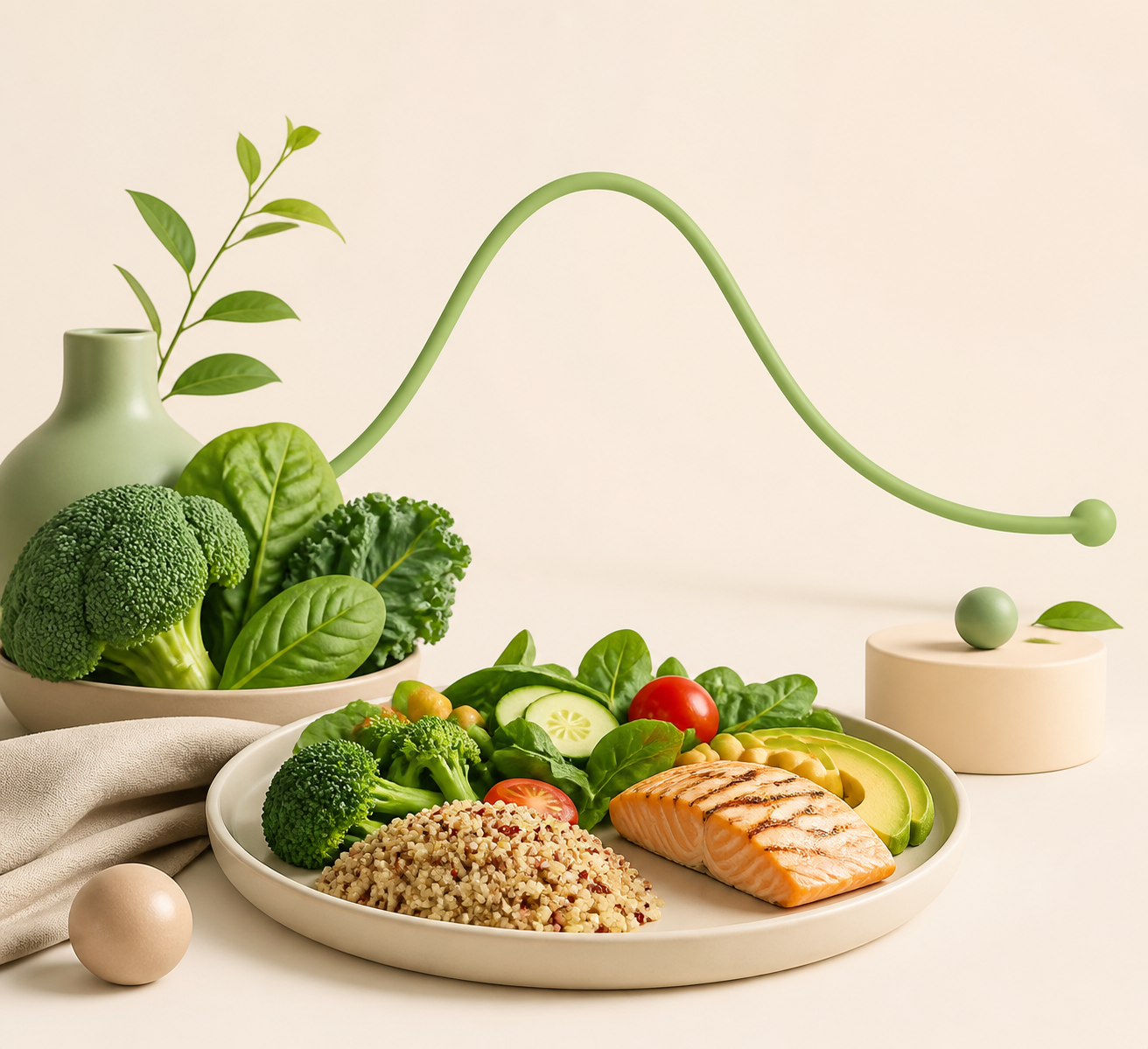
After lunch, many of us have experienced heavy eyelids and overwhelming drowsiness in the afternoon. This isn't just due to 'eating too much'; it could be caused by a rapid rise and fall in blood glucose levels known as a Blood Sugar Spike. Repeated blood sugar spikes can lead to post-meal drowsiness and chronic fatigue, as well as damage to endothelial cells and insulin resistance, paving the way for type 2 diabetes. Fortunately, the most effective preventive measure is not complicated: it starts with changing not just 'what you eat' but 'the order in which you eat it'.
1. Understanding Post-Meal Blood Sugar Spikes and Their Mechanisms
When carbohydrates (rice, bread, noodles, sugary drinks) are consumed first, quickly digestible sugars flood into the bloodstream with little absorption in the intestines, prompting the pancreas to release massive amounts of insulin, several times its usual output. This rapid fluctuation in blood sugar levels is what we call a blood sugar spike.
- Mechanism of Post-Meal Drowsiness: After a sharp rise in blood sugar, excessive insulin release can lead to reactive hypoglycemia, where blood sugar drops below normal levels, causing instability in the brain's energy supply and resulting in extreme drowsiness and decreased concentration.
- Vascular Fatigue: A sudden spike in blood sugar induces oxidative stress on endothelial cells, repeatedly 'tightening' the blood vessels, and over time, this process increases the risk of atherosclerosis and hypertension.
- Beginning of Insulin Resistance: Repeatedly demanding large amounts of insulin with each meal causes cell receptors to become desensitized, leading to a vicious cycle where the same amount of carbohydrates results in higher blood sugar peaks.
2. Scientifically Proven Meal Order: Vegetables (Fiber) → Proteins & Fats → Carbohydrates (Rice, Noodles, Bread)
Research consistently shows that changing the order of food consumption can significantly lower post-meal blood sugar peaks. Large-scale studies in Japan focusing on pre-diabetic individuals have demonstrated that prioritizing 'vegetable intake' can delay carbohydrate consumption by a few minutes to over 10 minutes, resulting in a more gradual rise in blood sugar and insulin levels.
- 1st Priority — Fiber-Rich Vegetables, Greens, and Salads (about half of the meal): Soluble fiber forms a gel-like substance in the stomach, slowing the absorption of sugars in the intestines. Eating vegetables first helps regulate gastric emptying and slows the absorption rate of subsequent sugars.
- 2nd Priority — Proteins and Fats (Meat, Fish, Tofu, Eggs, Cheese): Proteins and fats take longer to digest, slowing gastric emptying and promoting the secretion of incretin hormones (such as GLP-1), which helps insulin to be released in a 'stair-step' manner.
- 3rd Priority — Carbohydrates (Rice, Bread, Noodles, Sweet Potatoes): Consuming carbohydrates last, after some digestion of vegetables and proteins, significantly slows the absorption rate of the same amount of carbohydrates into the bloodstream.
3. The Miracle of a '15-Minute Post-Meal Walk': The Principle of Insulin-Independent Glucose Absorption by Muscles
Alongside meal order, another crucial habit for blood sugar management is light exercise after meals. When muscles are active, they can move a glucose transport protein called GLUT4 to their cell membranes without insulin, utilizing an 'insulin-independent absorption' pathway to directly absorb glucose from the bloodstream. In other words, moving your body after a meal allows glucose in the blood to be used as fuel, reducing the burden on insulin.
- Optimal Timing: Blood sugar peaks approximately 30–60 minutes after a meal. Therefore, starting to walk within 10–15 minutes after finishing a meal is most effective.
- Intensity Should Be Light, Duration Short: A 10–15 minute walk at a pace that allows for conversation is sufficient, as high-intensity exercise can raise stress hormones. The principle is to 'go light and long.'
- Research Evidence: Meta-analysis results show that walking after meals significantly lowers post-meal blood sugar spikes compared to sitting, and studies (published in 2016 in the journal Diabetologia) indicate that even walking for just 2 minutes can lead to differences in post-meal blood sugar levels.
| Timing | How the Body Works | Effect on Blood Sugar |
|---|---|---|
| Sitting Immediately After Eating | Glucose relies solely on insulin secretion | Post-meal peak is highest, maximum insulin burden |
| Walking Within 10–15 Minutes After Eating | Muscles directly absorb glucose with GLUT4 transporters | Peak is more gradual, reduced insulin secretion |
| Walking After 1 Hour Post-Meal | Consumption occurs after absorption has already taken place | Effective but peak suppression is somewhat diminished |
4. Normal Fasting Blood Sugar Levels (Below 100 mg/dL) and Daily Management Tips (Sleep, Fructose Blockage)
While meal order and post-meal walks manage 'post-meal blood sugar', fasting blood sugar reflects the body's basal metabolic state. According to the Korean Diabetes Association, normal fasting blood sugar is below 100 mg/dL after fasting for more than 8 hours; 100–125 mg/dL indicates impaired fasting glucose (pre-diabetes), and 126 mg/dL or higher suggests diabetes and requires further testing.
- Lack of Sleep is Adverse to Blood Sugar: Repeatedly getting less than 5 hours of sleep increases cortisol and adrenaline secretion, reducing insulin sensitivity and causing higher blood sugar levels even with the same meals. Aiming for around 7 hours of sleep is the 'second diet' for blood sugar management.
- Blocking Liquid Fructose: Liquid fructose from sugary coffee, sodas, and fruit juices is absorbed rapidly in the intestines without chewing, causing the most significant blood sugar spikes. Replacing these with water, sparkling water, or unsweetened tea can noticeably reduce blood sugar load.
- Include Fiber in Every Meal: Choosing unrefined foods like brown rice, whole grains, whole wheat bread, vegetables, mushrooms, and seaweed slows the absorption rate of the same carbohydrates.
- Regular Monitoring: Adults over 40 should check their fasting blood sugar annually through national health screenings, and those with a family history or abdominal obesity should consider HbA1c tests (glycated hemoglobin) every six months.
5. Editor's Three-Line Summary and Action Guide
To summarize the information so far into a routine that can be applied starting tomorrow morning: the key to sustainable blood sugar management lies in changing the order and timing of what you already eat rather than 'eating more of something new.'
- Breakfast: Avoid adding syrup or sugar to your coffee on an empty stomach, and start your breakfast with a combination of multigrain rice, eggs, and vegetable side dishes. In the morning, due to cortisol's influence, insulin sensitivity is lower, making it beneficial to focus on protein rather than sugary foods.
- Lunch: Begin with salads and greens, eat carbohydrates last, and establish a routine of walking for 10–15 minutes after meals.
- Dinner: Avoid late-night binge eating, which can increase blood sugar fluctuations during sleep. Finish dinner at least 3 hours before bedtime, and instead of sugary desserts, opt for unsweetened Greek yogurt or nuts to satisfy your cravings.
📌 Editor's Three-Line Key Summary
- Eating in the order of vegetables (fiber) → proteins & fats → carbohydrates results in a more gradual post-meal blood sugar peak, even with the same quantity of food.
- A light walk within 10–15 minutes after meals allows muscles to absorb glucose directly without insulin, effectively lowering blood sugar.
- Normal fasting blood sugar is below 100 mg/dL, and maintaining around 7 hours of sleep and blocking liquid fructose are fundamental daily management practices.
Korean Diabetes Association - Blood Sugar Standards and Diabetes Management Guide
KCDC National Health Information Portal - Diabetes Prevention and Blood Sugar Management Information