

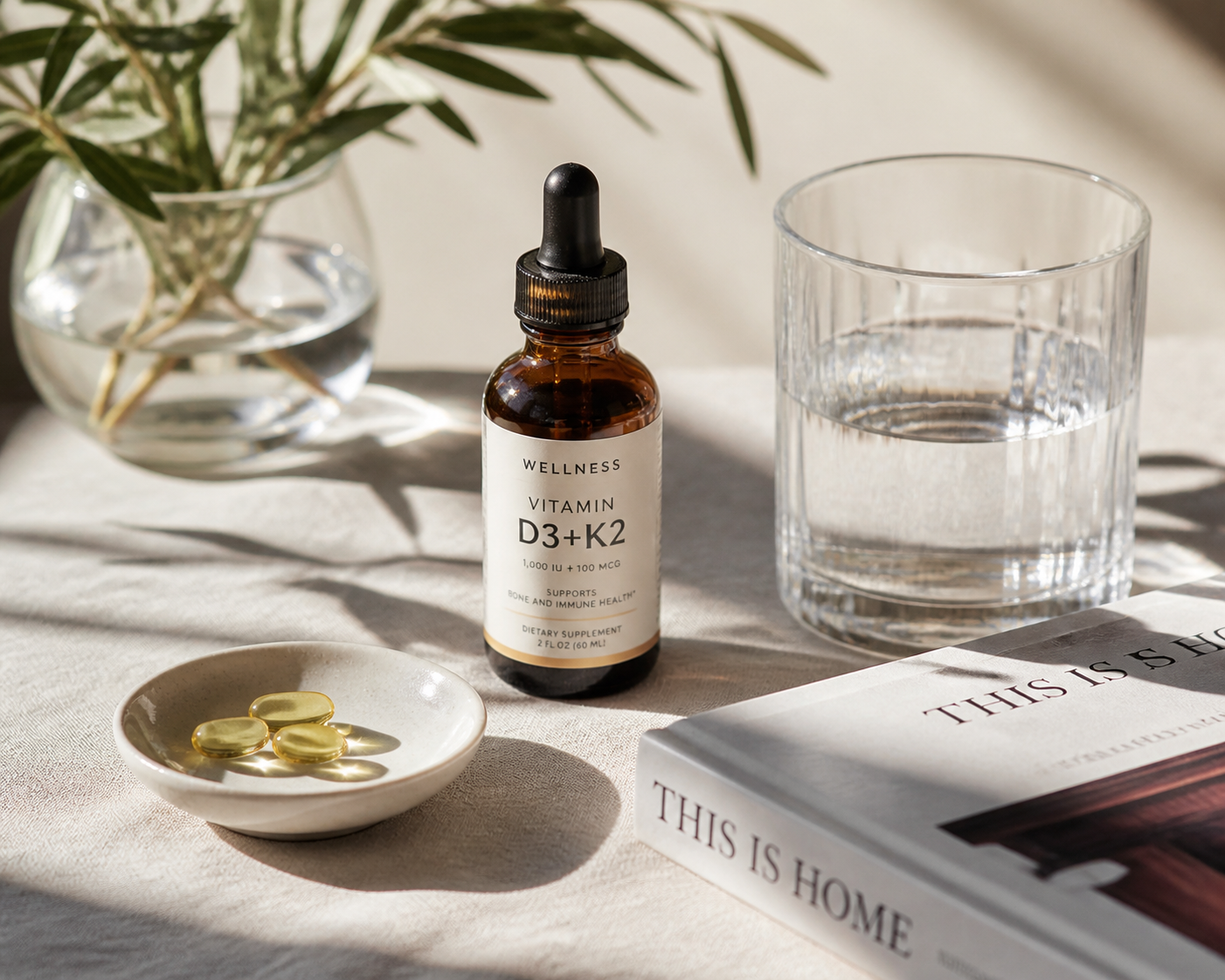
One of the most common nutritional deficiencies among modern office workers, who often spend most of their time indoors, is ‘vitamin D deficiency.’ According to the Korea Disease Control and Prevention Agency's National Health and Nutrition Survey, approximately 80-90% of Korean adults are found to be deficient or insufficient in vitamin D. Due to the use of sunscreen and indoor work, modern individuals find it challenging to synthesize vitamin D from sunlight, making it an essential hormone-like vitamin that influences overall immunity and vitality, beyond just bone health.
1. Four Often Overlooked Symptoms of Vitamin D Deficiency
When vitamin D levels drop, various systemic symptoms that diminish daily vitality gradually appear, in addition to weakened bones.
- Unexplained Chronic Fatigue and Lethargy: Even with sufficient sleep, you may not feel refreshed in the morning, and fatigue persists throughout the day.
- Weakened Immunity and Frequent Colds: Vitamin D directly participates in activating immune cells (T cells, macrophages), so deficiency increases vulnerability to respiratory infections and inflammation.
- Muscle Cramps and Bone/Joint Pain: Reduced calcium absorption can lead to frequent leg cramps and discomfort around the back, waist, and knees.
- Low Mood and Seasonal Depression: Vitamin D is involved in the synthesis of serotonin, a neurotransmitter in the brain, which may worsen feelings of depression during the fall and winter months when sunlight exposure decreases.
2. Recommended Daily Intake of Vitamin D and Supplement Selection
It is challenging to meet sufficient levels through food sources (such as egg yolks, salmon, and mushrooms) alone, so supplementation is recommended.
- Maintenance Intake (for healthy individuals): 1,000 - 2,000 IU per day
- Intake for Deficiency Improvement (if diagnosed with deficiency): 3,000 - 5,000 IU per day (retest after 2-3 months)
- Vitamin D2 vs D3: It is advisable to choose the form of ‘Vitamin D3 (cholecalciferol)’, which has significantly higher bioactivity and blood concentration elevation than the plant-based D2.
- Form Selection: Liquid drops or softgel capsules that absorb quickly are more advantageous for absorption.
3. Proper Dosage Methods to Double Absorption Rates
Vitamin D is a fat-soluble vitamin that does not dissolve in water. Taking it on an empty stomach with water can lead to poor absorption and most of it being excreted.
- Take Immediately After Meals: Consuming it with fatty foods (such as eggs, meat, olive oil, etc.) stimulates bile acid secretion, increasing absorption rates by over 50%. It is most ideal to take it right after the largest meals of the day, such as breakfast or lunch.
- Combine with Vitamin K2 and Magnesium: Taking ‘Vitamin K2,’ which helps direct absorbed calcium from vitamin D to the bones instead of accumulating in blood vessel walls, along with magnesium, which is essential for vitamin D activation, creates a synergistic effect.
📌 Editor's Key Takeaways
- Aim to maintain blood levels above 30ng/mL (optimal 40-50) for fatigue and immunity management.
- Consume 1,000-2,000 IU of the highly absorbable vitamin D3 form daily (4,000 IU if deficient).
- Since it is fat-soluble, taking it immediately after meals containing fat is a key tip.
Korea Disease Control and Prevention Agency - Vitamin D Deficiency and Nutritional Management