

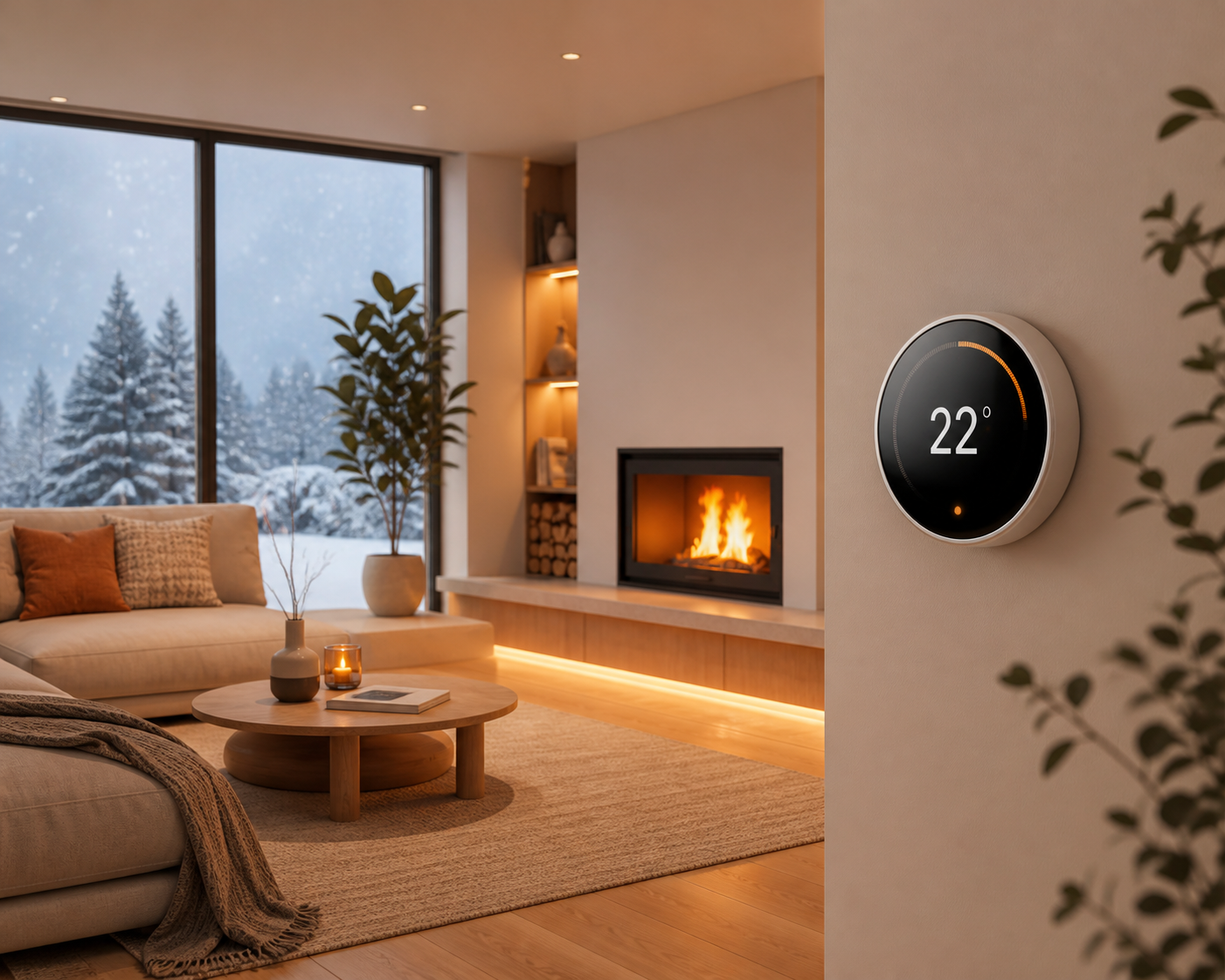
As temperatures drop below freezing and the harsh chill of early winter sets in, the first concern for many is the monthly city gas heating bill. A slight lapse in attention can lead to a shocking bill in the hundreds of dollars the following month if the boiler temperature is set too high. However, by understanding how the boiler operates and adjusting a few daily habits, you can maintain heating effectiveness while reducing gas costs by 20% to over 30%.
1. The Myths and Truths of 'Away Mode': A Culprit for High Gas Bills?
Many people casually switch their boiler to 'Away Mode' when heading to work or running errands. However, using 'Away Mode' indiscriminately in poorly insulated homes or studio apartments can lead to a significant increase in gas bills.
- The Original Function of Away Mode: Most gas boilers' Away Mode is not designed to keep the indoors warm but rather operates as a minimal defense mode that kicks in only when the temperature drops below a certain threshold (usually around 8-10℃) to prevent pipe freezing.
- Overloading Upon Restart: If you leave the boiler in Away Mode all day during cold weather, the heating water in the floor and the entire room can cool down completely. When you return home, raising the indoor temperature back above 20℃ will require the boiler to run at maximum output for several hours, consuming much more gas than usual.
- Correct Away Mode Usage: Unless you are going on a long trip of 2-3 days, it’s best not to engage Away Mode for short outings. Instead, lower the usual setting by just 1-2℃ or switch to Scheduled Mode to minimize heat loss and gas consumption.
2. Mastering the Three Modes of the Thermostat: Indoor Temperature vs. Underfloor vs. Scheduled
Selecting the appropriate mode displayed on the boiler thermostat according to your home’s structure can prevent unnecessary operation.
- Indoor Temperature Mode: This mode operates based on a sensor located at the bottom of the thermostat that measures the 'air temperature in the room.' In well-insulated, draft-free homes like new apartments, setting it to 20-22℃ provides optimal comfort. (Caution: If the thermostat is positioned near a window or in a drafty corridor, the sensor may detect cold air and run continuously.)
- Underfloor (Heating Water) Mode: This mode operates based on the temperature of the heating water (usually 40-80℃) flowing through the floor pipes rather than the air temperature. In older homes or studios with significant drafts or poor insulation, setting the underfloor mode to 55-65℃ can maintain a consistent floor warmth without being affected by air temperature changes.
- Scheduled Mode: This mode automatically activates heating for 15-20 minutes at set intervals. Setting it to '20 minutes every 2 or 3 hours' ensures that the floor does not become icy while minimizing gas consumption during your absence or while sleeping.
3. The '50℃ Hot Water Rule' to Instantly Cut Gas Bills by 30%
In addition to heating, a significant amount of gas is consumed in the area of 'hot water (for showers and dishwashing)'. Many boilers are set to the highest temperature (above 70℃) when they leave the factory.
- Waste from Overheating Hot Water: When the hot water temperature is set to 70℃, the boiler burner operates at maximum output to heat the water immediately. However, the optimal shower temperature is around 40-42℃, meaning cold water must be mixed in, wasting energy.
- Solution: Set the boiler's hot water temperature to 'medium (or 45-50℃)'. This allows for pleasantly warm water to flow without needing to mix in much cold water, significantly reducing hot water gas costs by preventing unnecessary high-output combustion.
4. Tips to Increase Perceived Temperature by 3℃: Air Caps, Humidifiers, and Curtains
Lowering the boiler temperature by 1℃ can reduce energy consumption by about 7%. These insulation tips can help create a warmer perceived temperature without excessively raising the indoor temperature.
- Applying Air Caps (Bubble Wrap) to Windows: Spraying water on the window and attaching bubble wrap can block 30% of heat loss through the window, raising the indoor temperature by 2-3℃.
- Using Thick Blackout Curtains: At night, use thick curtains that reach the floor to block cold air (drafts) that seeps through the windows.
- Operating a Humidifier Simultaneously: When heating, running a humidifier to maintain indoor humidity at 40-60% speeds up air circulation and allows moisture in the air to retain heat longer, warming the indoor space much more quickly.
5. Boiler Pipe Freeze Prevention Tips During Cold Weather Alerts
When temperatures plunge below -10℃, frozen boiler pipes can lead to repair costs in the hundreds and result in days without heating and hot water.
- Check Insulation on Exposed Pipes: Wrap exposed hot and cold water pipes in the balcony or boiler room with old clothes, insulation materials, or air caps, sealing them with tape.
- Drip Water from the Hot Water Faucet: During extreme cold below -10℃, leave the hot water faucet slightly open at a drip (or a thin stream) before going to bed at night. Continuous water flow in the pipes can perfectly prevent freezing even in sub-zero temperatures.
📌 Editor's 3 Key Takeaways
- For short outings, avoid using Away Mode: It’s recommended to lower the temperature by 1-2℃ or maintain Scheduled Mode for 2-3 hours.
- Fix the hot water temperature at 50℃ (medium) and always turn the faucet lever to the cold water direction after use.
- Using air caps (bubble wrap) and a humidifier can raise perceived temperature by 3℃, and during cold snaps, let hot water drip to prevent pipe freezing.
Korea Energy Agency - Click here for the Efficient Energy Saving Guide for Winter