

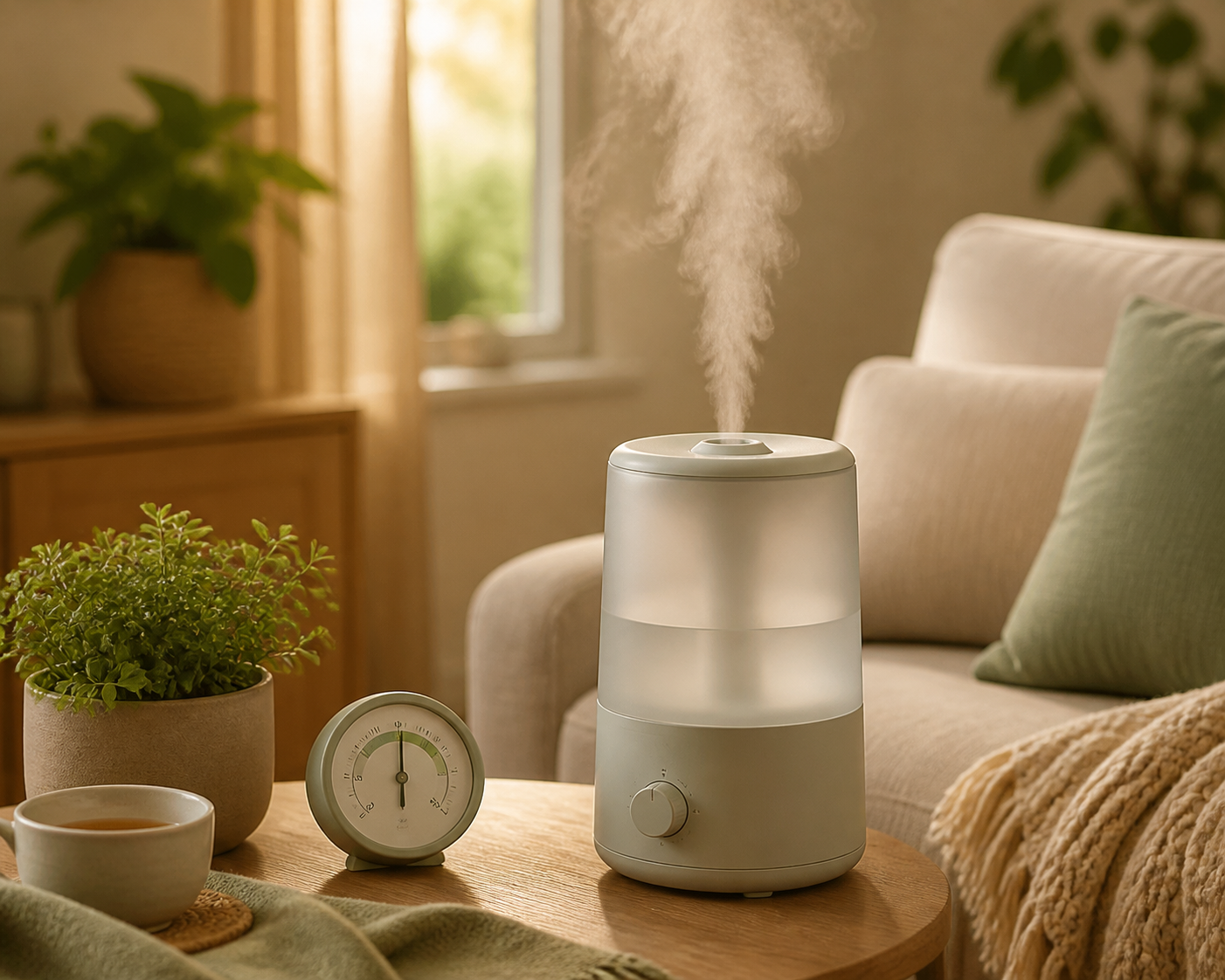
As the heating season continues, indoor air can become extremely dry in just a day. During winter, indoor humidity often drops to around 20-30%, resembling desert-like conditions. Symptoms such as itchy eyes, a scratchy throat, dry skin, frequent nosebleeds, and the spread of cold viruses are all directly linked to low indoor humidity.
Conversely, managing humidity effectively can raise the perceived temperature, allowing you to lower your heating settings by 1-2°C, which in turn reduces heating costs. This article outlines practical steps for selecting a humidifier, preventing white dust, and maintaining safe cleaning practices to achieve the recommended indoor humidity level of 40-60% as advised by the Centers for Disease Control and Prevention and the Ministry of Environment.
1. Why Maintain Indoor Humidity Levels of 40-60% in Winter?
The recommended indoor humidity level of 40-60% is crucial regardless of the season, as there is a clear correlation between humidity and health indicators, including infection rates.
- Below 40%: Dry nasal and bronchial membranes reduce the effectiveness of mucus cilia, increasing the risk of infection as the influenza virus survives longer in air with relative humidity around 20%.
- 40-60%: Mucous membranes remain moist, inhibiting the spread of viral droplets. This range also alleviates dryness in the skin and eyes.
- Above 60%: High humidity creates an ideal environment for dust mites and mold, leading to damage to walls and furniture (white dust and condensation). Increasing humidity is not always beneficial.
2. Comparing the 3 Types of Humidifiers: Pros and Cons at a Glance
Commercially available humidifiers can be categorized based on their method of delivering moisture into the air: ultrasonic, steam (heated), and evaporative. Each method varies significantly in terms of maintenance difficulty, electricity costs, and hygiene levels, so it's advisable to choose one that fits your lifestyle.
| Type | Ultrasonic | Steam (Heated) | Evaporative |
|---|---|---|---|
| Mechanism | Uses a vibrator to disperse water into fine particles | Boils water to release steam | Evaporates moisture through air passing over a wet filter |
| Power Consumption | Low (10-30W) | High (200-400W) | Medium (fan operation 20-50W) |
| Hygiene | Calcium particles (white dust) can disperse into the air when tap water is used | Boiling steam minimizes the risk of bacterial growth | Depends on filter maintenance; requires regular filter changes |
| Noise Level | Quietest option | Produces boiling and clicking sounds | Gentle fan noise |
| Best Suited For | Bedrooms and desk areas | Rooms where hygiene is a priority, such as nurseries and living rooms | Living rooms and studies for extended use |
| Considerations | Essential to manage water to prevent white dust | Be cautious of fire hazards and electricity costs | Prevent mold by keeping filters dry |
In summary, if quietness is your top priority while sleeping, choose an ultrasonic humidifier. For hygiene, opt for a steam humidifier. If electricity costs and maintenance are concerns, the evaporative type is a good choice. Recently, hybrid products that combine features of ultrasonic and evaporative humidifiers with additional filters are available, so it's wise to check the filter replacement frequency and consumable costs before purchasing.
3. What Causes White Dust and How to Prevent It
Using an ultrasonic humidifier can lead to the appearance of white dust on furniture, TV screens, and wallpaper. This dust consists of minerals such as calcium and magnesium found in water. Since ultrasonic vibrators do not boil the water, these minerals are dispersed into the air as fine particles.
- Use purified water instead of tap water. Using water from a purifier or soft water significantly reduces white dust. Boiling and cooling tap water can temporarily decrease mineral content.
- Empty and rinse the water tank daily. Refilling without emptying leads to increased mineral concentration and bacterial growth.
- Weekly, clean the water tank with vinegar or citric acid. Add 10-20g of citric acid per liter of water, soak for about 30 minutes, and rinse thoroughly to remove scale and mineral buildup on the vibrator.
- For furniture with white dust, start with dry cleaning. Wiping with a wet cloth can cause the mineral dust to penetrate wallpaper, leading to stains. It's safer to first vacuum or use a dry microfiber cloth.
4. Safe Cleaning Practices to Prevent Mold: Cleaning Frequency and Storage Tips
If neglected, a humidifier can become a device that disperses bacteria and mold into the air. Here are the safety guidelines from the Consumer Agency and the Ministry of Environment:
- Daily: Empty all remaining water, rinse the tank with running water, and dry it with a towel. The key is not to leave water in the tank for more than 24 hours.
- Weekly: Detach removable parts (tank, nozzle, tray) and clean them with a soft brush and neutral detergent or citric acid solution. Use a cotton swab or a dedicated brush to gently clean the vibrator area to avoid damage.
- If using an evaporative humidifier: Clean the filter weekly under running water and ensure it is completely dry before reattaching. If the filter turns yellow or develops an odor, it’s best to replace it regardless of the recommended replacement schedule.
- At the end of the usage season: Thoroughly clean and dry the humidifier, then store it in a well-ventilated area with newspaper or desiccants. Sealing it while wet can lead to mold odors the following winter.
5. Alternative Ways to Increase Humidity Without a Humidifier
If you don’t have a humidifier or want to boost humidity further, you can raise indoor humidity levels by 10-15% using simple methods:
- Drying laundry indoors: Drying a load of laundry in the living room can release moisture equivalent to several humidifiers.
- Balancing ventilation and humidity: Ventilating for 5-10 minutes in the morning and evening to expel indoor pollutants, followed by briefly increasing the humidifier's output can efficiently restore humidity levels.
- Potted plants and aquariums: The soil in plant pots and water in trays provide a continuous source of natural evaporation.
- Keep the bathroom door open: After showering, leaving the bathroom door open allows steam to spread throughout the house, quickly raising humidity without needing a steam humidifier (but ensure to ventilate afterward).
Conclusion: Start with a Hygrometer
Before investing in the largest and most expensive humidifier, the first step is to place an accurate hygrometer. Even if your humidifier has a built-in humidity sensor, a standalone hygrometer placed more than 1 meter from the wall can provide a more accurate reading of the humidity in your living space. Maintaining humidity levels between 40-60% can simultaneously enhance respiratory health, skin hydration, and reduce heating costs during winter. Consider placing a hygrometer tonight to check your home's winter humidity levels.